
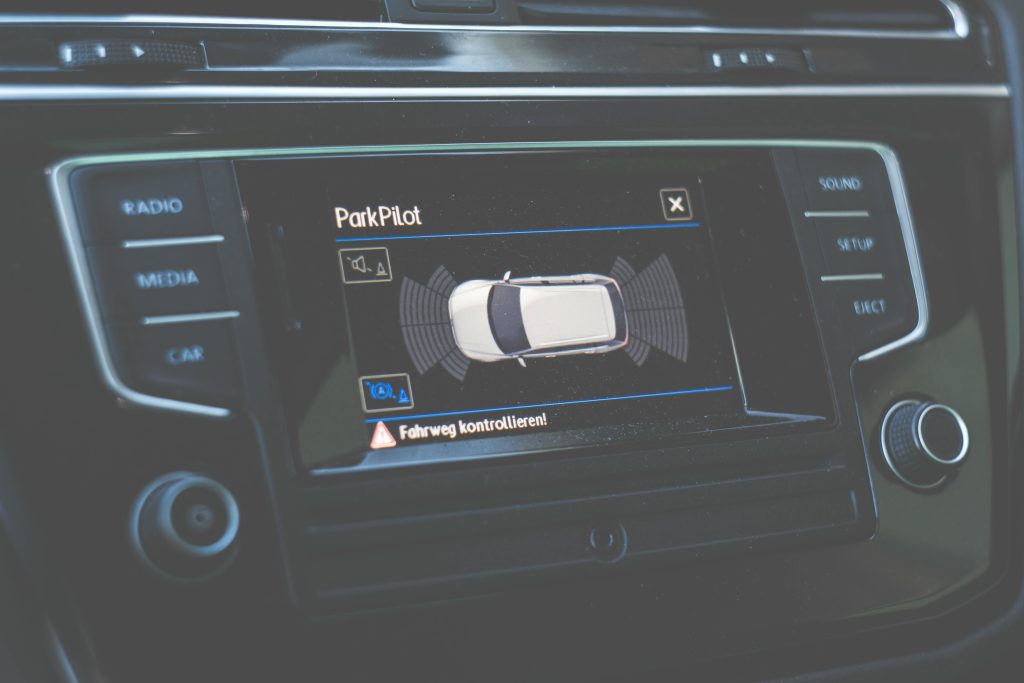
Modern cars are like computers on wheels. They use dozens of sensors to monitor how everything is running.
One of the most important sensors in your vehicle is the O2 sensor, also called the oxygen sensor. It’s small, but it plays a big role in how your engine works and how much fuel you use.
In this article, we’ll break down everything you need to know about O2 sensors, including how they work, why they matter, and how many your car actually has.
Let’s dive in.
What Is an O2 Sensor?
An O2 sensor is a small device that lives in your car’s exhaust system. Its job is to measure the amount of oxygen in the exhaust gases that come out of your engine.
Why does this matter? Because the right balance of air and fuel is super important for your engine. If your car burns too much fuel (called “running rich”) or too little fuel (“running lean”), it can hurt your engine, lower your gas mileage, and even cause pollution.
The O2 sensor keeps an eye on the oxygen levels and sends that data to your car’s Engine Control Unit (ECU). The ECU uses this information to adjust how much fuel goes into the engine. It’s kind of like your car’s brain, always making little changes to keep things running smoothly.
Why Do O2 Sensors Matter?
You might think something that small can’t be that important, but O2 sensors are essential for several reasons:
1. Better Fuel Economy
When your engine gets the perfect mix of air and fuel, it doesn’t waste gas. A working O2 sensor helps your car use fuel more efficiently, which means you save money at the gas pump.
2. Lower Emissions
Cars with bad O2 sensors often release more toxic gases into the air. A good sensor helps your engine burn fuel more cleanly, reducing pollution and helping the environment.
3. Smoother Engine Performance
If the air-fuel mix is off, your car can feel rough, hesitate, or even stall. O2 sensors help keep the engine running smoothly by making sure the right fuel amount is always delivered.
4. Passing Emissions Tests
If you live in a state that requires emissions testing, a faulty O2 sensor can cause your car to fail. Replacing a bad sensor can often be the key to passing.
In short: O2 sensors help your car run better, cleaner, and cheaper.
How Many O2 Sensors Does a Car Have?
Here’s the part most drivers want to know—how many O2 sensors does your car really have?
The Short Answer:
It depends on your car’s year, make, model, and engine size.
The Long Answer:
Let’s break it down:
🔹 Older Cars (Before 1996):
Many cars built before 1996 had just one O2 sensor. It was placed near the engine and measured the exhaust gases before they went through the catalytic converter.
🔹 Newer Cars (1996 and Later – OBD-II Systems):
These cars usually have at least two O2 sensors. But most have more—often two to four or even more in some modern vehicles.
Here’s a basic guide:
| Engine Type | Number of O2 Sensors | Where They Are |
| 4-Cylinder Engine | 2 | One before and one after the catalytic converter |
| V6 Engine | 4 | Two before and two after the catalytic converter |
| V8 Engine | 4 or more | Same as V6, sometimes extra for advanced emission systems |
So if you have a small car with a 4-cylinder engine, you probably have 2 sensors. If you drive an SUV or truck with a V6 or V8 engine, your vehicle likely has 4 or more.
Where Are the Sensors Located?
O2 sensors are located in the exhaust system, which carries gases away from the engine after fuel is burned.
Here are the two main types:
🔧 Upstream Sensor (Pre-Catalytic Converter)
This one sits between the engine and the catalytic converter. It reads the oxygen level in the exhaust right after combustion. This is the sensor the engine uses to adjust the fuel mix in real time.
🔧 Downstream Sensor (Post-Catalytic Converter)
This one is located after the catalytic converter. It checks how well the converter is working by comparing the oxygen level before and after.
Cars with V6 or V8 engines usually have two sets—one set for each side of the engine, known as “banks.”
Knowing where these sensors are can help you when it’s time to replace one or if a mechanic gives you a diagnostic report.
How Do You Know If an O2 Sensor Goes Bad?
Like any car part, O2 sensors wear out over time. They usually last between 60,000 and 100,000 miles, depending on the brand and your driving habits.
Here are some common warning signs:
- ✅ Check Engine Light: This is one of the first signs. If your sensor fails, your ECU may trigger the light.
- ✅ Bad Fuel Economy: If you’re filling your tank more often, a faulty O2 sensor could be the reason.
- ✅ Rough Engine or Idle: The engine might feel shaky or hesitate when you press the gas.
- ✅ Failed Emissions Test: If your car pollutes too much, a bad O2 sensor is a likely cause.
Can You Drive With a Bad O2 Sensor?
You can, but you shouldn’t.
A bad O2 sensor means your engine isn’t getting the right air-fuel mix. Over time, this can damage your spark plugs, engine, or even your catalytic converter (which is one of the most expensive parts to replace).
So if your check engine light is on and you suspect it’s an O2 sensor, it’s best to get it checked or replaced soon.
Can You Replace an O2 Sensor Yourself?
Yes! If you’re into DIY car repairs and have the right tools, you can change an O2 sensor at home.
Here’s what you need:
- O2 sensor socket (a special wrench)
- New O2 sensor
- Anti-seize grease (optional)
- Code scanner to clear the check engine light
Steps:
- Let the engine cool down completely (the exhaust gets very hot).
- Use a scanner to find which sensor is bad.
- Locate the sensor on your exhaust system.
- Unplug the old sensor and remove it with the sensor socket.
- Install the new sensor and tighten it snugly.
- Plug it in and clear the error code using a scanner.
If you’re not confident, you can always take it to a mechanic. Labor costs are usually reasonable since it’s a quick job for professionals.
Final Thoughts
Your car’s oxygen sensors might be small, but they play a big part in fuel savings, engine health, and clean air. Most cars built after 1996 have 2 to 4 O2 sensors, depending on the engine type.
If your car starts acting up, burns more fuel, or fails an emissions test, it could be a simple sensor issue—something that’s often easy and affordable to fix.
So now that you know what O2 sensors do and how many your car probably has, you’ll be better prepared to keep your ride running smoothly and efficiently. Don’t ignore those little sensors—they’re the lungs of your car’s engine!