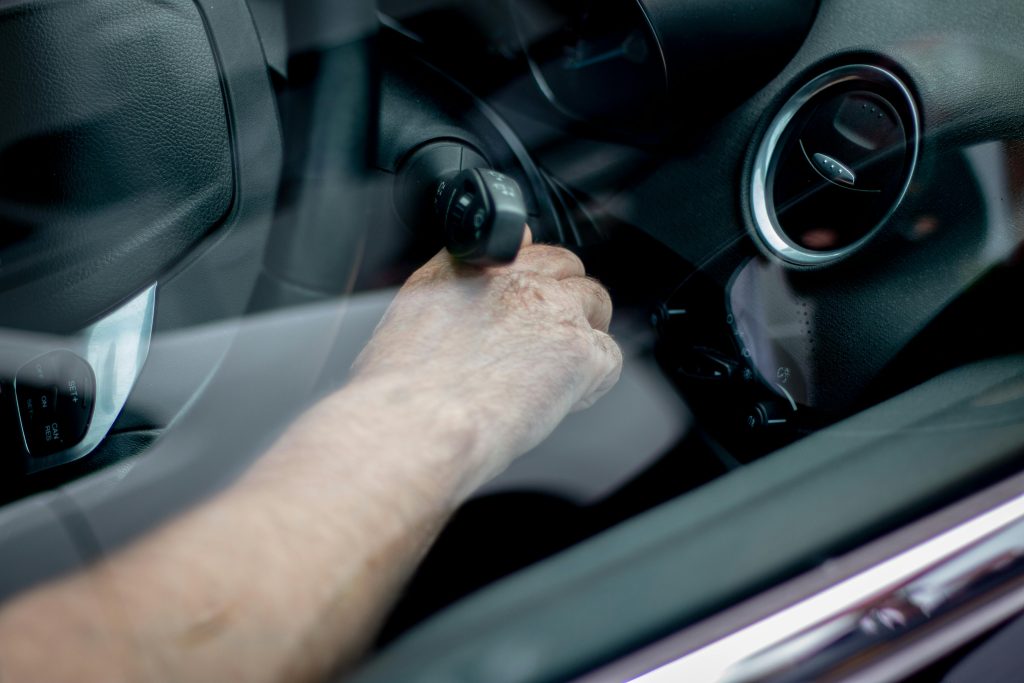
It’s a frustrating situation many car owners face: you turn the key (or press the start button), expecting your engine to roar to life, but instead, you hear a rapid clicking sound. Your car doesn’t start, and now you’re left scratching your head.
What does this mean? Let’s break it down and explore the possible reasons behind this annoying issue.
Understanding the Clicking Noise
The rapid clicking sound you hear is coming from the car’s starter relay or solenoid.
This clicking happens when the starter motor doesn’t receive enough power to turn the engine over. Instead of cranking the engine, it just produces a repetitive clicking noise.
The underlying issue typically relates to electrical problems, but there are other factors to consider.
Let’s go through the most common causes and what you can do to address them.
1. A Weak or Dead Battery
A weak or dead battery is the most common reason for the clicking sound. Your car’s electrical components rely on the battery to provide sufficient power. If the battery doesn’t have enough charge, the starter motor won’t function properly, and you’ll hear those rapid clicks.
Signs of a Weak Battery:
- Dim headlights or dashboard lights.
- Electronics (like the radio) not working.
- The battery is over three years old.
Solution:
- Test the battery: Use a multimeter to check the voltage. A fully charged battery should read around 12.6 volts.
- Jump-start the car: Connect jumper cables to another vehicle or a portable jump starter. If the car starts, it’s likely time for a new battery.
- Replace the battery: If jump-starting works but the issue recurs, invest in a new battery.
2. Loose or Corroded Battery Connections
Even if your battery is charged, loose or corroded terminals can prevent the proper flow of electricity. Corrosion on the terminals or cables disrupts the connection, causing insufficient power to reach the starter motor.
Signs of Corrosion or Loose Connections:
- Visible white or greenish buildup on battery terminals.
- Wiggly or loose battery cables.
Solution:
- Clean the terminals: Use a wire brush and a mixture of baking soda and water to remove corrosion.
- Tighten the connections: Ensure the cables are securely attached to the battery terminals.
3. Faulty Starter Motor
The starter motor is the component responsible for cranking your engine. If the motor is damaged or worn out, it won’t engage properly, leading to the clicking noise.
Signs of a Bad Starter Motor:
- A single loud click instead of rapid clicking.
- The engine doesn’t turn over even after a jump-start.
- Grinding noises when trying to start the car.
Solution:
- Inspect the starter: A mechanic can test the starter motor to confirm if it’s faulty.
- Replace the starter motor: If it’s the culprit, replacing it is the only long-term fix.
4. Low Battery Power Due to Parasitic Drain
Sometimes, a good battery gets drained because something in your car is drawing power when it shouldn’t. This is called a parasitic drain. Common culprits include interior lights left on, a malfunctioning alternator, or a faulty electrical component.
Signs of Parasitic Drain:
- The battery loses charge quickly, even after being fully charged.
- The car starts fine after a jump but won’t start again after sitting idle.
Solution:
- Identify the drain: Disconnect the negative terminal and use a multimeter to check for the current draw.
- Fix the source: It could be as simple as turning off a light or as complex as repairing an alternator.
5. Damaged Alternator
The alternator is responsible for keeping the battery charged while the engine runs. If the alternator is failing, it won’t recharge the battery, leaving it too weak to start the car.
Signs of a Bad Alternator:
- The car dies shortly after jump-starting.
- Flickering dashboard lights or electrical issues while driving.
- A warning light on the dashboard (often shaped like a battery).
Solution:
- Test the alternator: A mechanic can use a specialized tool to check if it’s working properly.
- Replace the alternator: This is necessary if it’s not charging the battery.
6. Faulty Solenoid or Relay
The solenoid is a small device that connects the starter motor to the battery. If it’s faulty, it won’t allow the electrical current to pass through, resulting in the clicking sound.
Signs of a Faulty Solenoid:
- The clicking sound happens every time you try to start the car.
- No other electrical components seem affected.
Solution:
- Test the solenoid: This requires special equipment, so it’s best done by a professional.
- Replace the solenoid: If it’s the issue, replacing it will restore functionality.
7. Worn-Out Ignition Switch
If the ignition switch is worn out or damaged, it might not send the proper signal to the starter. This can also result in clicking noises when trying to start your car.
Signs of a Bad Ignition Switch:
- Difficulty turning the key or pressing the start button.
- Flickering dashboard lights when trying to start.
Solution:
- Check the switch: A mechanic can diagnose ignition switch issues.
- Replace the ignition switch: This is the only fix if the switch is worn out.
Preventing Future Clicking Issues
Here are some tips to avoid getting stranded in the future:
- Regular battery maintenance: Check and clean battery terminals, and test the charge periodically.
- Turn off electrical devices: Ensure lights and other devices are off when the car isn’t running.
- Schedule regular inspections: Have a mechanic check your starter, alternator, and ignition system during routine maintenance.
When to Call a Mechanic
If you’ve tried basic troubleshooting steps like cleaning the battery terminals or jump-starting the car but it still doesn’t start, it’s time to call a professional. Persistent issues could point to more serious electrical or mechanical problems that require expert attention.
Conclusion
Hearing a rapid clicking noise when your car won’t start can be alarming, but it’s often a sign of an electrical issue, such as a weak battery or corroded terminals.
By understanding the common causes and knowing how to troubleshoot, you can save yourself time, money, and stress.
Keep your vehicle in good shape, and don’t hesitate to seek help from a professional when needed. Your car will thank you!