
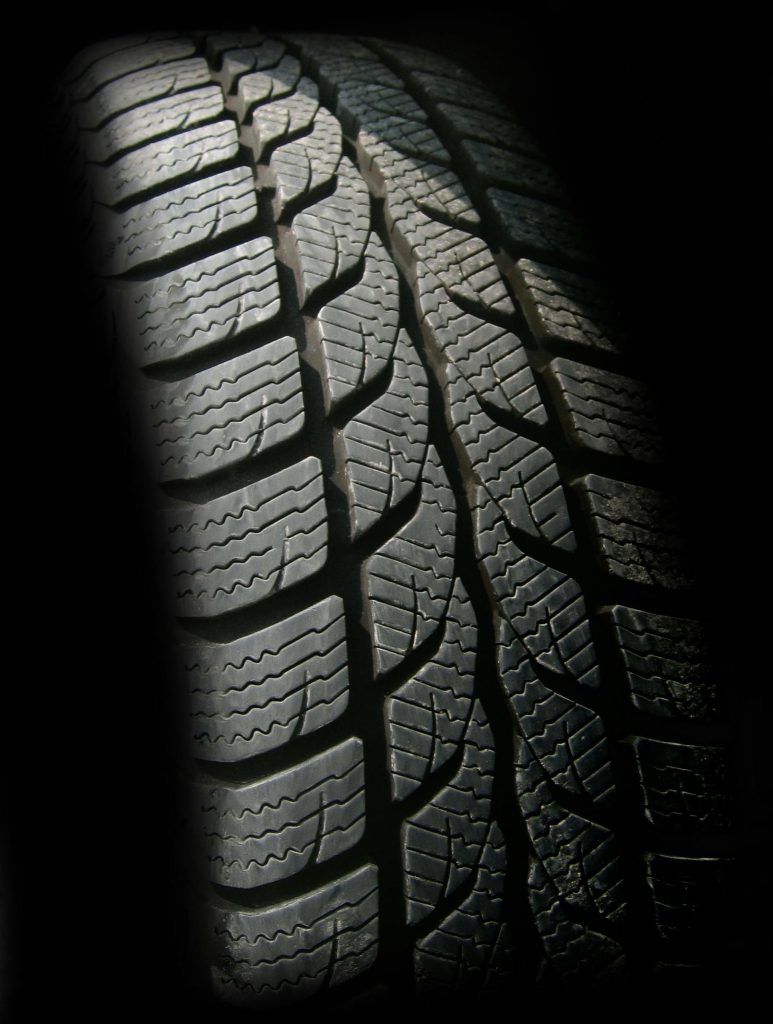
When winter rolls in, everything changes on the road. Ice, snow, slush, and freezing temperatures make driving much more dangerous. That’s why picking the right tires is so important. Some drivers wonder, “Can mud tires work in snow and ice, or are winter tires better?” This article breaks it all down to help you choose the right tires for your safety.
What Are Mud Tires?
Mud tires are designed for off-road adventures. They’re made for trucks, SUVs, and 4×4 vehicles that tackle muddy trails, rocky roads, and uneven terrain. These tires don’t look like normal road tires.
Instead, they have big, aggressive tread patterns and deep grooves. The goal? To dig into soft ground and push mud or rocks out of the way.
Key Features of Mud Tires:
- Deep Treads: Mud tires have wide, deep grooves that can grab onto loose or muddy ground. This helps prevent slipping.
- Self-Cleaning: The large gaps between treads allow mud and debris to fall out as the tire spins.
- Strong Sidewalls: Mud tires are built with thicker rubber on the sides to resist damage from rocks and sticks.
- Off-Road Focus: They are not designed for smooth roads but for rough and muddy conditions.
So, mud tires are tough and grippy—but does that grip help in winter driving?
What Makes a Tire Good for Snow and Ice?
Snowy and icy roads bring a totally different challenge than mud or dirt. On ice, tires can’t dig in—they need to grip the surface in a special way. That’s why winter tires are made differently.
Key Features of Winter Tires:
- Siping: These are tiny slits across the tread blocks. They create extra biting edges that help grip slick ice or hard-packed snow.
- Cold-Weather Rubber: Winter tires use a softer rubber compound. This rubber stays flexible even when temperatures drop way below freezing.
- Snow-Focused Patterns: Winter tires have tread patterns that move snow, slush, and water away from the tire. This reduces the risk of sliding.
- Quick Stopping Power: Because of their design, winter tires give you better control and shorter braking distances on snow and ice.
When conditions are icy, you need more than just thick tread—you need specialized design.
How Mud Tires Perform in Snow
Let’s take a closer look at how mud tires handle different types of snowy and icy conditions.
1. Light Snow
In shallow, soft snow, mud tires might perform okay. Their deep treads can grab onto the snow and keep the tire moving.
But since mud tires aren’t made for cold weather, they don’t grip as well as a winter tire. You might notice longer stopping distances or slight slipping when turning.
2. Deep Snow
This is where mud tires shine a little brighter. The same features that help in deep mud—wide gaps and aggressive tread—can also work in deep snow.
Mud tires can push through thick snow on back roads, forest trails, or off-road paths. If you’re using a 4×4 vehicle, you’ll probably get decent traction in these conditions.
3. Packed Snow and Ice
This is the biggest weakness for mud tires. When the snow is packed down or the road is icy, mud tires struggle. They don’t have enough siping to grip slick surfaces.
Plus, their rubber becomes stiff in the cold, reducing traction even more. On ice, this can be dangerous, leading to sliding, spinning, or longer stopping times.
Are Winter Tires Better for Snow and Ice?
Yes—absolutely. Winter tires are built specifically for snow and ice. They’re tested in freezing conditions, and everything about them is designed for cold-weather safety.
Why Winter Tires Are Better:
- Better Grip on Ice: Thanks to all the sipes, winter tires “bite” into icy surfaces and help you stay in control.
- Flexible in Cold: Unlike mud tires, winter tires stay soft and flexible even when it’s -20°F. This helps them grip the road better.
- Safe Braking: When you need to stop quickly on snowy roads, winter tires stop you faster and more safely than any other tire type.
- Designed for the Road: Unlike mud tires, which are loud and bumpy on pavement, winter tires are made for everyday driving in winter weather.
So, if you’re mostly driving on city streets, highways, or plowed roads during the winter, winter tires are the clear winner.
Pros and Cons of Using Mud Tires in Winter
Let’s compare the good and bad sides of using mud tires in winter conditions:
| Pros | Cons |
| Decent performance in deep snow | Poor traction on ice or packed snow |
| Tough, durable build | Rubber gets hard in freezing weather |
| Good for off-road winter use (trails, fields) | Very noisy and rough on regular pavement |
| Aggressive look that some drivers like | Worse fuel efficiency |
| Can handle rocks, branches, and slush | Longer stopping distances and less control on icy roads |
Final word: Mud tires are fine for backwoods trails or deep snow off-road, but they are not safe enough for icy highways or daily winter commutes.
Can You Use Both?
Yes! Many drivers switch between two sets of tires depending on the season. This gives you the best performance year-round.
Here’s how it works:
- Use mud tires during spring, summer, and fall if you go off-roading or drive in rural areas.
- Switch to winter tires when temperatures drop below 45°F or when snow and ice start to appear.
This way, you stay safe in winter and still get great performance when driving off-road during warmer months.
All-Terrain Tires: A Middle Option?
If switching tires every season feels like too much work, you could consider all-terrain tires. These are designed for a mix of on-road and off-road driving.
Some all-terrain tires are marked with the 3-Peak Mountain Snowflake symbol, which means they’re approved for use in winter conditions. While they’re not as good as true winter tires, they offer a better balance than mud tires alone.
Final Thoughts: Choose Tires Based on Where and How You Drive
When comparing tire types, it’s clear that mud tires are not the best choice for snow and ice—especially on icy roads or during extreme winter conditions. They’re great for deep snow off-road, but not for driving around town or on highways during a snowstorm.
Winter tires are the safest option for winter driving. They give you better control, faster stops, and more peace of mind. If you want the best of both worlds, consider having two sets of tires and swapping them seasonally.
Always match your tires to your driving needs. It’s not just about looks or brand—it’s about staying safe and in control when the weather gets tough.