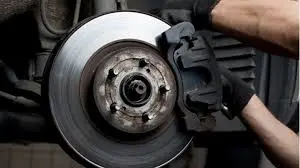
Brakes rarely fail without warning. One of the clearest signs is uneven brake pad wear. Many drivers only notice the problem after hearing grinding noises or feeling steering shake during braking. By that time, the brake rotors often suffer serious damage.
Uneven pad wear is not just a maintenance issue. It shortens rotor life, raises repair costs, and reduces stopping power. This guide explains why brake pads wear unevenly, how that speeds up rotor damage, and what drivers can do to stop the problem early.
Why Uneven Brake Pad Wear Is a Serious Problem
Brake pads are designed to wear at an even rate across their surface. When one side wears faster than the other, pressure becomes unbalanced. The rotor then absorbs uneven heat and friction. Over time, this leads to warped rotors, deep grooves, and vibration during braking. Ignoring uneven pad wear often turns a simple pad replacement into a full brake job.
Sticking Brake Caliper Pins
One of the most common causes of uneven brake pad wear is seized or dry caliper slide pins. These pins allow the caliper to move freely so both pads press evenly against the rotor.
When slide pins stick:
- One pad stays pressed against the rotor
- The other pad barely contacts the surface
- Heat builds up on one side of the rotor
This constant contact overheats the rotor and causes rapid surface wear. Rust, lack of lubrication, and torn pin boots often trigger this issue.
Frozen Brake Caliper Piston
A brake caliper piston must retract smoothly after the brake pedal is released. If it sticks, the inner pad remains pressed against the rotor.
Common reasons pistons seize include:
- Moisture in brake fluid
- Corrosion inside the caliper
- Torn dust seals
A stuck piston creates nonstop friction. The rotor overheats, develops hot spots, and may warp. This damage often appears as steering wheel shake when braking at higher speeds.
Worn or Bent Caliper Brackets
Caliper brackets hold the pads in place and guide their movement. When brackets corrode or bend, pads cannot slide properly.
This leads to:
- Pads wearing at an angle
- One pad making full contact while the other barely touches
- Uneven rotor surface wear
Rust buildup in pad channels is a major cause. Even new pads can wear unevenly if the bracket is not cleaned or replaced.
Poor Quality Brake Pads
Low-grade brake pads often lack consistent friction material. Some sections wear faster than others, creating uneven contact with the rotor.
Problems linked to cheap pads include:
- Soft friction compounds
- Weak backing plates
- Poor heat resistance
As uneven sections dig into the rotor, they leave grooves and ridges. This damage shortens rotor life and increases brake noise.
Improper Brake Pad Installation
Brake pads must sit flat and secure in the caliper. Installation mistakes often lead to uneven wear.
Common errors include:
- Missing anti-rattle clips
- Pads installed backward
- Hardware reused when worn
These issues cause pads to tilt or bind. The rotor then faces uneven pressure, leading to fast surface damage.
Brake Hose Internal Collapse
A damaged brake hose may look fine on the outside while collapsing internally. When this happens, brake fluid pressure enters the caliper but cannot release fully.
The result:
- Pads stay partially applied
- One side overheats the rotor
- Rapid uneven pad wear develops
This condition often causes the vehicle to pull to one side during braking and creates strong burning smells.
Driving Habits That Speed Up Uneven Wear
Certain driving behaviors increase uneven brake pad wear and rotor damage.
Examples include:
- Riding the brake pedal downhill
- Hard braking from high speeds
- Frequent stop-and-go traffic
These habits generate extreme heat. When combined with minor caliper issues, uneven wear accelerates quickly and damages rotors sooner.
Suspension and Wheel Alignment Issues
Brake systems rely on proper wheel alignment and suspension balance. When alignment is off, braking forces shift unevenly across the pads.
This can cause:
- Tapered pad wear
- Rotor glazing
- Vibration during braking
Worn control arms, bushings, or wheel bearings often contribute to this issue.
How Uneven Pad Wear Damages Rotors Faster
Uneven brake pads apply pressure in isolated areas. This creates hot spots on the rotor surface. Over time, these spots harden and expand at different rates.
Rotor damage from uneven wear includes:
- Warping due to uneven heat
- Grooves carved into the surface
- Thickness variation that causes pedal pulsation
Once this damage starts, resurfacing may not fix the rotor. Replacement becomes the only safe option.
Warning Signs You Should Not Ignore
Drivers often miss early signs of uneven brake pad wear. Watch for these symptoms:
- Grinding or squealing noises
- Steering wheel vibration while braking
- Vehicle pulling to one side
- Burning smell near wheels
- Uneven brake dust on wheels
Catching these signs early can prevent rotor replacement.
How to Prevent Uneven Brake Pad Wear
Preventing uneven wear starts with proper maintenance.
Key steps include:
- Lubricating caliper slide pins during brake service
- Replacing worn hardware with new kits
- Using quality brake pads
- Flushing brake fluid as scheduled
- Inspecting hoses and calipers regularly
Routine brake inspections help spot early wear patterns before serious damage occurs.
When to Replace Rotors Instead of Resurfacing
Rotors with deep grooves, cracks, or severe warping should be replaced. Resurfacing only works when damage is minimal and thickness remains within safe limits.
If uneven pad wear caused heavy heat damage, replacement offers better safety and longer brake life.
Final Thoughts
Uneven brake pad wear is more than a nuisance. It is a warning sign that something in the brake system is failing. Left unchecked, it destroys rotors faster, raises repair costs, and reduces braking safety. By fixing the root causes early, drivers can protect their rotors, improve stopping power, and avoid major brake repairs down the road.