
Keeping your vehicle in top condition requires regular maintenance, and one of the most critical tasks is changing the oil and oil filter.
These two components play a vital role in ensuring your car’s engine runs smoothly, and efficiently, and lasts as long as possible.
But how often should you change the oil and oil filter in your vehicle? Let’s dive into this essential guide to understand the importance of oil changes and the best practices for keeping your engine healthy.
Why Is Oil Important for Your Vehicle?
Engine oil acts as the lifeblood of your car’s engine. It performs several crucial functions:
- Lubrication: Oil reduces friction between the moving parts of the engine, preventing wear and tear.
- Cooling: It helps dissipate heat, preventing the engine from overheating.
- Cleaning: Oil carries away dirt, debris, and metal particles, keeping the engine clean.
- Protection: A proper layer of oil protects engine components from corrosion.
Over time, oil breaks down, becomes contaminated, and loses its effectiveness. This is where regular oil changes come into play.
Why Do You Need to Change the Oil Filter?
The oil filter is responsible for trapping dirt, debris, and metal particles that accumulate in the oil. Without a functioning filter, these contaminants would circulate through the engine, potentially causing damage. Over time, the filter becomes clogged and less effective, which is why it’s essential to replace it regularly alongside an oil change.
How Often Should You Change Your Oil?
The frequency of oil changes depends on several factors, including your vehicle type, driving habits, and the kind of oil you use. Here’s a general breakdown:
1. Conventional Oil
For older vehicles or those using conventional oil, the rule of thumb has been to change the oil every 3,000 miles or 3 months, whichever comes first. While this interval is less common today, it’s still relevant for some cars.
2. Synthetic Oil
Synthetic oil lasts longer than conventional oil and is designed to withstand higher temperatures and provide better engine protection. Most modern vehicles using synthetic oil can go 5,000 to 7,500 miles between oil changes. Some high-performance vehicles may even stretch this interval to 10,000 miles.
3. Check Your Owner’s Manual
Every vehicle is different, so it’s important to refer to the manufacturer’s recommendations in your owner’s manual. This will provide the most accurate guidance for your specific make and model.
4. Consider Your Driving Conditions
If you drive under severe conditions, such as stop-and-go traffic, extreme temperatures, towing heavy loads, or frequent short trips, you may need to change your oil more frequently. These conditions cause the oil to degrade faster.
How Often Should You Change the Oil Filter?
It’s generally recommended to change the oil filter every time you change the oil. Since the filter plays a critical role in keeping the oil clean, using a clogged or dirty filter can defeat the purpose of an oil change. If you’re extending oil change intervals with synthetic oil, make sure to use a high-quality oil filter designed to last.
Signs It’s Time for an Oil Change
Even if you’re following the recommended intervals, sometimes your vehicle will give you signs that it’s time for an oil change. P
ay attention to these warning signals:
- Oil Change Light: Most modern vehicles have an oil change or maintenance reminder light.
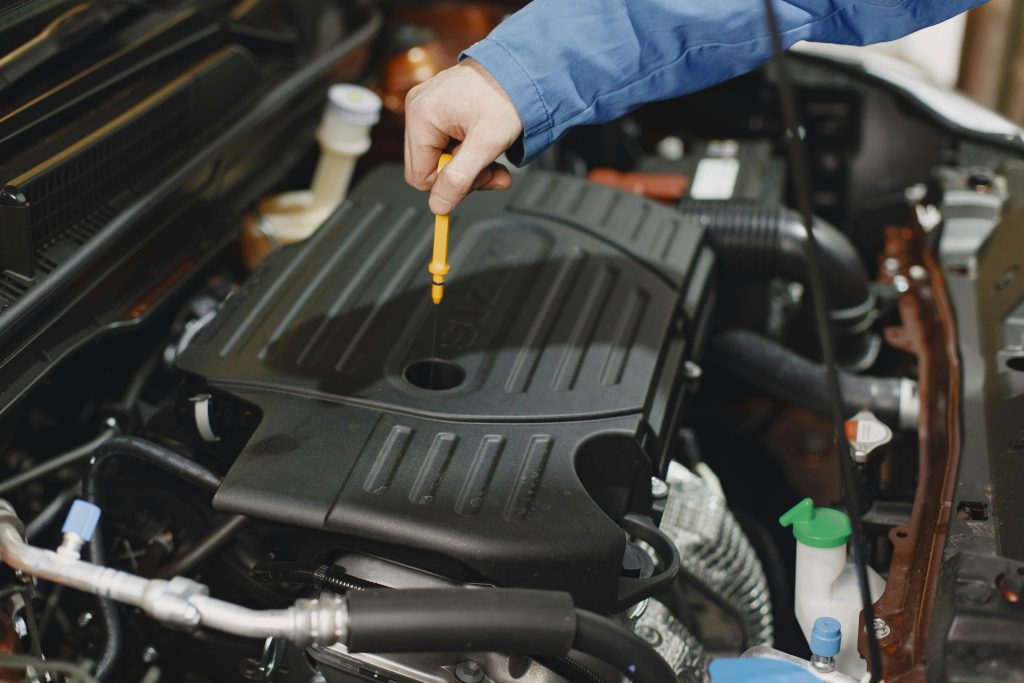
- Dirty or Dark Oil: Check your oil regularly using the dipstick. If it appears dirty, thick, or dark, it’s time for a change.
- Engine Noise: Increased noise or knocking sounds from the engine could indicate insufficient lubrication.
- Exhaust Smoke: Excessive or dark smoke from the exhaust may signal oil problems.
- Decreased Performance: Reduced fuel efficiency or sluggish engine performance can also be a sign.
DIY Oil and Oil Filter Change: A Step-by-Step Guide
Changing the oil and oil filter yourself can save money and give you a better understanding of your vehicle.
Here’s a simplified step-by-step guide:
- Gather Supplies: You’ll need fresh oil, a new oil filter, a wrench, an oil filter removal tool, a funnel, a drain pan, and gloves.
- Prepare the Vehicle: Park on a level surface, engage the parking brake, and let the engine cool down.
- Drain the Old Oil: Locate the oil drain plug, place the drain pan underneath, and remove the plug to let the old oil drain out completely.
- Replace the Oil Filter: Use the oil filter removal tool to unscrew the old filter. Apply a small amount of fresh oil to the gasket of the new filter and screw it into place.
- Add New Oil: Replace the drain plug, then use the funnel to pour the recommended amount of new oil into the engine.
- Check Levels: Use the dipstick to ensure the oil level is correct. Add more oil if necessary.
- Dispose of Used Oil: Take the used oil and filter to a recycling center. Never dispose of them in the trash or down the drain.
The Bottom Line
Regular oil and oil filter changes are essential for the health and longevity of your vehicle’s engine. By understanding your vehicle’s needs, keeping up with maintenance schedules, and using high-quality oil and filters, you can ensure your car runs smoothly for years to come.
Whether you’re a DIY enthusiast or prefer to leave it to a professional, staying proactive about oil changes is one of the best ways to protect your investment. Remember, a little effort now can save you from costly repairs down the road!