Your car’s brakes are one of the most crucial safety features, and knowing when to replace them is essential for keeping yourself and others on the road safe.
Over time, brakes wear down due to regular use, and failing to replace them in time can lead to dangerous situations.
So, how often should you replace your brakes? Let’s dive into the key factors that influence brake replacement and how you can ensure your braking system is in top shape.
Understanding Your Braking System
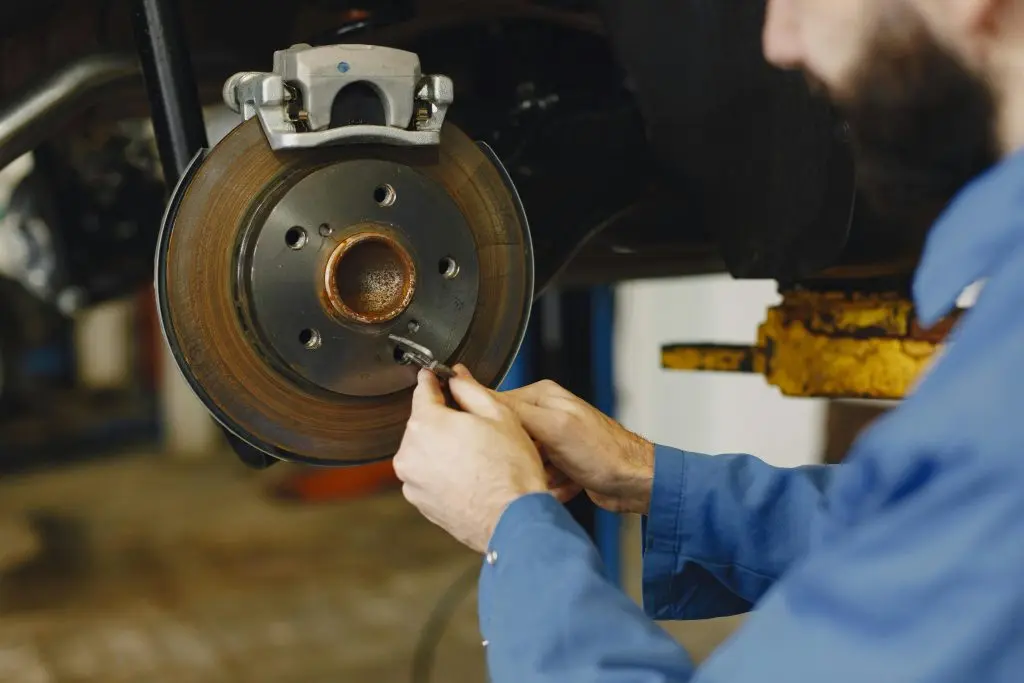
Before determining when to replace your brakes, it’s important to understand how the braking system works. Most modern vehicles have disc brakes, which include brake pads, rotors, and calipers.
When you press the brake pedal, the calipers push the brake pads against the rotors, creating friction that slows down the car.
Over time, this friction causes the brake pads to wear thin, and the rotors may develop grooves or warps. Ignoring these signs can reduce braking efficiency and compromise your safety.
General Guidelines for Brake Replacement
There is no one-size-fits-all answer to how often you should replace your brakes, as it depends on several factors.
However, here are some general guidelines:
- Brake Pads: Brake pads typically need to be replaced every 20,000 to 50,000 miles. This range varies based on your driving habits, the type of vehicle you drive, and the quality of the brake pads.
- Brake Rotors: Rotors last longer than brake pads and may need replacement every 50,000 to 70,000 miles. However, if they become warped or excessively worn, they should be replaced sooner.
- Brake Fluid: While not a part that gets replaced frequently, brake fluid should be changed every 2-3 years or as recommended by your vehicle’s manufacturer.
Factors That Affect Brake Wear
The lifespan of your brakes depends on several factors. Here are some of the most significant:
1. Driving Habits
If you’re a driver who frequently stops suddenly or rides the brakes downhill, your brake pads will wear out faster. Gentle and consistent braking can extend their lifespan.
2. Road Conditions
Driving in heavy traffic, hilly areas, or stop-and-go conditions puts more stress on your brakes, leading to faster wear. Conversely, highway driving is easier on brakes and may extend their lifespan.
3. Vehicle Type
Larger, heavier vehicles like trucks and SUVs put more strain on the braking system compared to smaller cars. This can shorten the life of brake components.
4. Quality of Brake Parts
Using high-quality brake pads and rotors can make a significant difference in how long they last. While they may be more expensive upfront, they often provide better performance and durability.
5. Maintenance
Regular maintenance, such as cleaning and inspecting your braking system, can help prevent premature wear and identify issues before they become major problems.
Signs It’s Time to Replace Your Brakes
It’s important to pay attention to your vehicle and recognize the signs that your brakes need attention.
Here are some common indicators:
- Squeaking or Squealing Sounds: This is often caused by the wear indicator on brake pads, signaling it’s time for a replacement.
- Grinding Noise: Grinding usually means the brake pads are completely worn down, and the metal is rubbing against the rotor.
- Vibration When Braking: A vibrating brake pedal or steering wheel can indicate warped rotors.
- Longer Stopping Distance: If your car takes longer to stop, your brakes may be worn out or not functioning correctly.
- Brake Warning Light: Many modern vehicles have a dashboard warning light that illuminates when there’s a problem with the braking system.
- Low Brake Pedal: If your brake pedal feels spongy or sinks too low when pressed, there may be an issue with the brake fluid or hydraulic system.
Tips for Prolonging the Life of Your Brakes
While brakes will inevitably wear out, you can take steps to prolong their lifespan and ensure optimal performance:
- Drive Smoothly: Avoid sudden stops and aggressive braking whenever possible. Anticipate traffic flow to brake gently.
- Downshift on Hills: Use engine braking when driving downhill to reduce the strain on your brakes.
- Avoid Overloading Your Vehicle: Carrying excessive weight increases the demand for your braking system.
- Regular Inspections: Have your brakes inspected during routine maintenance to catch issues early.
- Use Quality Parts: Invest in high-quality brake pads and rotors for better durability and performance.
Why Timely Brake Replacement is Essential
Delaying brake replacement can have serious consequences, including:
- Reduced Safety: Worn-out brakes can lead to longer stopping distances and a higher risk of accidents.
- Increased Repair Costs: Neglecting brake maintenance can cause damage to other components, such as rotors and calipers, resulting in more expensive repairs.
- Legal and Insurance Implications: In some cases, driving with faulty brakes can result in fines or impact your insurance claims in the event of an accident.
Conclusion
Replacing your brakes at the right time is critical for your safety and the health of your vehicle.
While general guidelines provide a helpful starting point, the best way to know when it’s time to replace your brakes is by paying attention to your car and following the manufacturer’s recommendations.
Regular inspections and mindful driving habits can go a long way in ensuring your braking system stays reliable.
Remember, your brakes are not something to ignore or delay repairing. After all, staying safe on the road is worth every effort!