
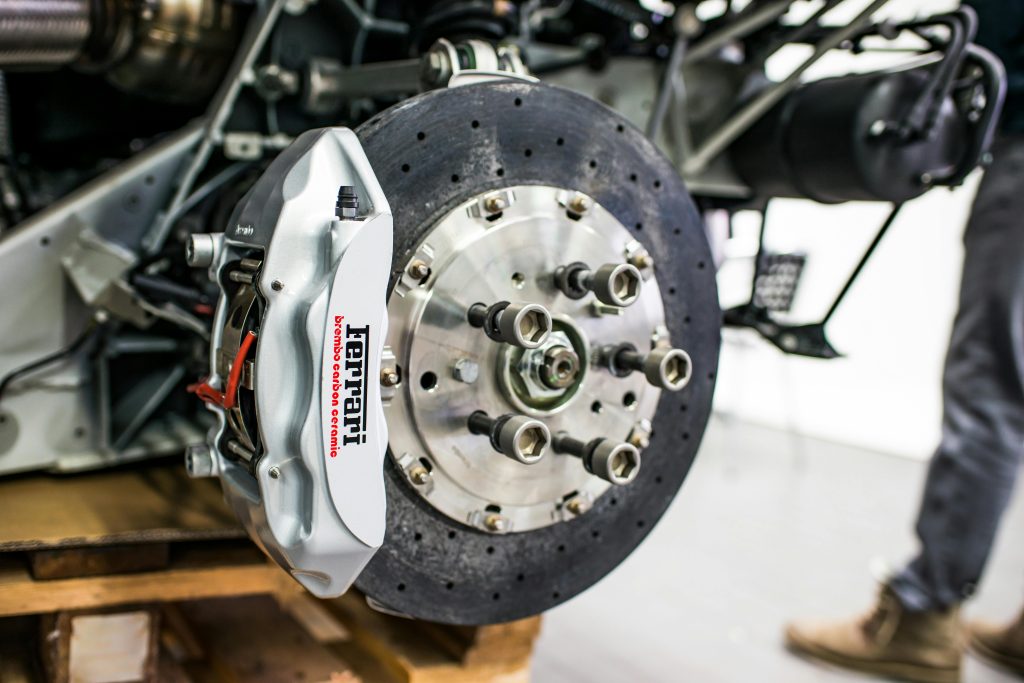
Brakes are one of the most critical safety features in your vehicle, ensuring you can stop quickly and avoid potential accidents.
But hearing squeaking sounds from your brand-new brakes? That’s frustrating and concerning. You might wonder, “Is this normal? Should I be worried?”
Let’s dive into the reasons why your new brakes might squeak, what it means for your safety, and what you can do about it.
Common Reasons New Brakes Squeak
1. Brake Pad Material
New brakes often squeak due to the type of material used in the brake pads. Many modern pads are made from semi-metallic materials or ceramics, which can produce noise as they rub against the rotor.
- Semi-Metallic Pads: Known for durability and performance, these pads contain metal fibers that can cause squealing sounds.
- Ceramic Pads: While quieter in most conditions, they might still squeak during the break-in period.
This noise doesn’t always indicate a problem, especially if the brakes are new and haven’t fully settled in yet.
2. Break-In Period
When you install new brakes, there’s often a bedding-in or break-in process where the brake pads adjust to the rotor. During this period, small imperfections in the pads and rotor surface may cause squeaking.
- What to Expect: Squeaking during the first 100-200 miles is generally normal as the pads and rotors align and smooth out.
- How to Reduce It: Follow the manufacturer’s guidelines for breaking in your brakes. This usually involves gradually increasing braking pressure over several stops.
3. Moisture and Dirt
If you notice squeaking in the morning or after a car wash, moisture might be the culprit. Water and condensation can form a thin layer on the brake pads, causing a temporary squeak until the brakes heat up and dry off. Similarly, dirt or debris lodged in the brake components can create noise.
4. Improper Installation
New brakes should be installed with care, and even small mistakes during installation can lead to squeaking. For example:
- Misaligned pads
- Improperly torqued bolts
- Missing anti-squeal shims
If the squeaking persists, it’s worth checking if the installation was done correctly.
5. Glazing
Glazing occurs when brake pads overheat and harden, creating a shiny surface that doesn’t grip the rotor as effectively. This can happen if:
- You brake aggressively during the break-in period.
- The brakes were improperly bedded in.
Glazed pads often squeak and may also reduce braking performance, which is a safety concern.
What Squeaking Brakes Mean for Your Safety
While some squeaking is harmless, it can also indicate underlying issues that might affect your safety. Here’s what to watch out for:
1. Reduced Stopping Power
If the squeaking is caused by glazing or uneven pad wear, it could reduce your brakes’ ability to stop the vehicle efficiently. This can increase stopping distances, especially in emergencies.
2. Potential Component Damage
Persistent squeaking might signal that something is rubbing incorrectly. Left unchecked, this can lead to damage in the brake pads, rotors, or calipers, potentially resulting in costly repairs.
3. Distractions While Driving
Unusual noises, including brake squeaks, can be distracting. This might cause you to focus on the noise instead of the road, putting you and other drivers at risk.
What You Can Do to Fix Squeaky Brakes
If you’re dealing with squeaky new brakes, here’s what you can do to resolve the issue:
1. Inspect the Brakes
Check for obvious problems like:
- Dirt or debris is stuck in the pads or rotors.
- Signs of improper installation, such as misalignment or missing hardware.
If you’re not comfortable inspecting the brakes yourself, take the vehicle to a professional.
2. Use Brake Lubricant
Anti-squeal lubricants or sprays can help reduce noise by creating a cushion between the pads and the caliper. Apply these to the back of the brake pads, not the braking surface.
3. Re-Bed the Brakes
If the squeaking is due to glazing or improper break-in, you may need to re-bed the brakes. This involves repeating the break-in process:
- Accelerate to about 35 mph.
- Apply the brakes firmly but not aggressively to reduce speed to 5 mph.
- Repeat this process 4-5 times, allowing the brakes to cool between stops.
4. Replace or Adjust Components
If inspection reveals damaged or misaligned components, replace or adjust them as necessary. Worn-out rotors, missing shims, or improperly installed pads might need professional attention.
When to See a Professional
If the squeaking persists after you’ve tried the above solutions, or if you notice other symptoms like vibrations, uneven braking, or reduced stopping power, it’s time to visit a mechanic. Persistent squeaking could be a sign of more serious issues that need expert intervention.
Final Thoughts
New brakes squeaking can be annoying, but it’s not always a sign of danger. In many cases, it’s a normal part of the bedding-in process or due to factors like pad material or moisture.
However, don’t ignore persistent squeaks, especially if they’re accompanied by reduced braking performance or other unusual symptoms. Addressing the issue promptly ensures your vehicle remains safe and reliable on the road.
By understanding the causes and solutions for squeaky brakes, you can take proactive steps to maintain your car’s performance and safety. After all, peace of mind is priceless when it comes to driving.