
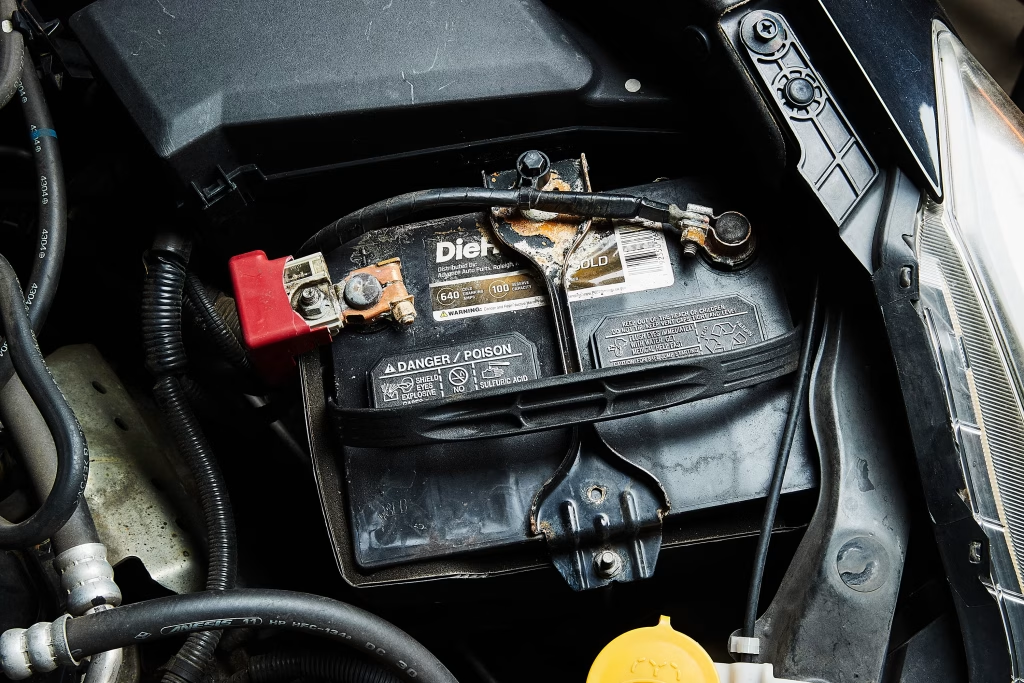
You turn the key in the morning, and nothing happens. The battery is new, yet the car is dead again. This can feel confusing and frustrating, especially when you already paid for a replacement. A new battery should fix the problem, but in many cases, the battery is not the real cause. Something else in the car is draining power while it sits overnight.
This guide explains the most common reasons a car battery keeps dying overnight even after replacement. You will also learn how to spot the signs early and stop the drain before it leaves you stranded again.
A Hidden Electrical Drain Is Still Active
One of the top reasons this problem keeps happening is a parasitic drain. This means an electrical part keeps pulling power even when the car is off.
Common sources of hidden drains include:
- Interior lights that stay on
- Trunk or glove box lights that fail to shut off
- Aftermarket alarms or stereos
- Faulty control modules that never go to sleep
Even a small drain can empty a battery overnight. A new battery only gives the problem a short break before it shows again.
Alternator Is Not Charging the Battery Fully
Many drivers assume a bad alternator only causes trouble while driving. In reality, a weak alternator can cause overnight battery failure too.
If the alternator does not recharge the battery during trips, the battery ends the day with low power. Overnight, that small drain finishes the job.
Signs of alternator trouble include:
- Battery warning light on the dashboard
- Dim headlights
- Battery dying more often after short drives
A battery replacement will not solve this if the alternator is failing.
Loose or Corroded Battery Connections
A brand-new battery still depends on clean and tight connections. If the terminals are loose or corroded, the battery may not charge or hold power well.
Look for:
- White or blue powder on battery posts
- Cables that move by hand
- Cracked or worn battery cables
Poor connections can act like a slow leak, draining power even while parked.
Faulty Battery Sensor or Computer Issue
Modern cars rely on sensors and computers to manage power use. If one of these systems sends wrong data, the car may not shut down fully.
Problems can come from:
- A bad battery current sensor
- Software glitches
- Body control modules staying awake
These issues are hard to spot without proper testing, yet they can drain a new battery overnight with ease.
Aftermarket Accessories Causing Power Loss
Remote starters, dash cameras, GPS trackers, and custom sound systems often cause battery drain if installed incorrectly.
Common mistakes include:
- Direct wiring to the battery without a shutoff
- Poor grounding
- No relay to cut power when the car is off
Many drivers replace the battery without checking these accessories. The drain stays, and the new battery dies too.
Short Trips That Never Recharge the Battery
If you mostly drive short distances, the battery may never get fully charged. Starting the engine uses a large burst of power. Short trips do not give the alternator enough time to replace it.
Over time, this leads to:
- Weak battery performance
- Overnight failure
- Early battery wear
A new battery helps at first, but the pattern repeats if driving habits stay the same.
Extreme Weather Speeds Up Battery Drain
Hot and cold temperatures both affect battery life. Cold weather slows chemical reactions inside the battery. Heat causes fluid loss and internal damage.
In harsh climates:
- Batteries lose charge faster overnight
- Small drains become big problems
- Battery life shortens fast
Even a fresh battery struggles if other issues exist.
Ignition Switch or Relay Staying On
Some electrical parts rely on relays and switches to shut down after the key is removed. If one sticks, power keeps flowing.
Common trouble spots include:
- Ignition switch failures
- Cooling fan relays
- Fuel pump relays
These parts can stay active silently, draining the battery while the car sits.
Battery Was Not the Right Type
Not all batteries are the same. Cars with start-stop systems, heavy electronics, or advanced features need specific battery types.
Problems happen when:
- A standard battery is used instead of AGM
- The battery has low reserve capacity
- The battery size does not match factory specs
Even new batteries fail fast if they are not designed for the car’s power needs.
How to Find the Real Cause of Overnight Battery Drain
To stop repeated battery failure, testing is key. Guessing leads to wasted money.
Steps that help locate the issue:
- Perform a parasitic draw test
- Test alternator output
- Inspect all battery cables and grounds
- Remove aftermarket accessories one by one
- Scan the vehicle for computer errors
Many repair shops can run these tests in a short time.
How to Prevent the Battery From Dying Again
Once the cause is found, prevention becomes simple.
Smart habits include:
- Turning off all lights before exiting
- Avoiding cheap electrical add-ons
- Driving long enough to recharge the battery
- Cleaning battery terminals twice a year
- Fixing warning lights right away
These steps protect both the battery and the charging system.
When to Seek Professional Help
If the battery keeps dying after checks and simple fixes, a professional diagnosis is the safest move. Electrical issues can hide deep in wiring or control modules.
A trained technician can pinpoint the drain without replacing parts that still work.
Final Thoughts
A car battery that keeps dying overnight even after replacement is a sign of a deeper issue. The battery is often blamed, yet the real problem comes from hidden drains, charging faults, or electrical errors.
Fixing the root cause saves time, money, and stress. With the right checks and repairs, your car can start strong every morning again.