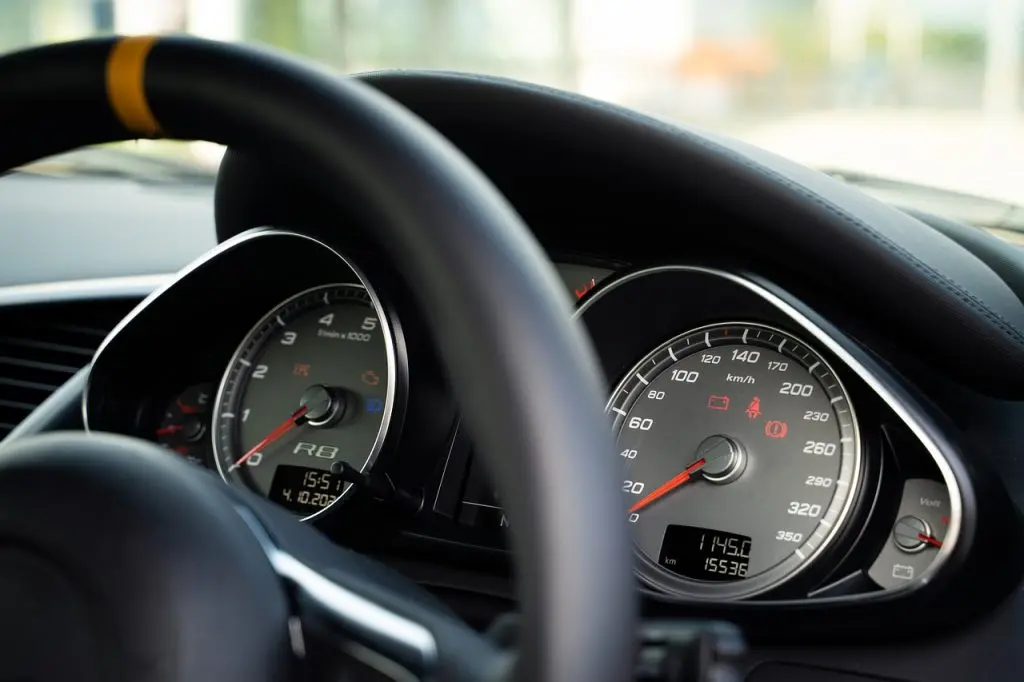
Imagine you’re driving down the road, and suddenly, the check engine light on your dashboard starts flashing. Moments later, your car begins to shake.
If this has ever happened to you, you know how nerve-wracking it can be. These two symptoms often indicate a serious problem with your vehicle that requires immediate attention.
In this blog post, we’ll explore the reasons why your check engine light might flash and your car shake unexpectedly.
We’ll also discuss what you should do when this happens and how to prevent similar issues in the future.
What Does a Flashing Check Engine Light Indicate?
Your car’s check engine light is part of its onboard diagnostic system. This light comes on when the engine control unit (ECU) detects a problem.
When the light is solid, the issue is usually less urgent, such as a loose gas cap or a minor sensor issue. However, a flashing check engine light is a red flag signaling a more severe problem; most commonly, an engine misfire.
Why Misfires Trigger the Check Engine Light
An engine misfire occurs when one or more cylinders fail to ignite the air-fuel mixture correctly. This disrupts the engine’s normal operation and causes the flashing light.
A misfire not only reduces engine performance but can also lead to overheating and damage to the catalytic converter if ignored. A flashing light is the vehicle’s way of urging you to address the issue promptly.
Why Is My Car Shaking Along with the Flashing Light?
When your car shakes, it’s often due to the same misfire that causes the check engine light to flash.
Let’s dive deeper into the most common causes of this dual symptom:
1. Engine Misfires
Misfires can result from various underlying problems, such as:
- Faulty Spark Plugs: Spark plugs ignite the air-fuel mixture in the engine. Over time, they wear out and fail to create a proper spark.
- Damaged Ignition Coils: Ignition coils amplify the voltage needed for the spark plugs. When they fail, the spark plugs don’t receive enough power, causing misfires.
- Low Cylinder Compression: If a cylinder has low compression due to a damaged piston or valve, it can’t burn fuel properly, leading to rough idling and shaking.
- Clogged Fuel Injectors: Dirty injectors fail to deliver the correct amount of fuel to the engine, resulting in misfires.
Each of these issues disrupts the engine’s ability to operate smoothly, causing both the shaking and the flashing light.
2. Fuel Delivery Issues
The engine relies on a precise mix of fuel and air for optimal performance. Problems in the fuel delivery system can lead to uneven combustion, causing your car to shake.
Potential culprits include:
- Clogged Fuel Filters: Over time, dirt and debris accumulate in the fuel filter, restricting fuel flow and causing performance issues.
- Failing Fuel Pump: If the fuel pump isn’t delivering enough fuel to the engine, it can lead to inconsistent power and misfires.
- Dirty Fuel Injectors: Injectors spray fuel into the engine. When they’re clogged, they can’t deliver the correct amount, disrupting combustion.
3. Ignition System Problems
The ignition system plays a critical role in starting and maintaining the combustion process. Any malfunction in this system can result in a misfire, shaking, and a flashing check engine light.
Common ignition system problems include:
- Worn-Out Spark Plugs: Spark plugs need regular replacement. Worn plugs can’t create a strong spark, leading to misfires.
- Damaged Spark Plug Wires: These wires carry electricity from the ignition coil to the spark plugs. If they’re damaged, the spark won’t reach the plugs effectively.
- Failed Ignition Coil: The ignition coil generates the high voltage needed for the spark plugs to work. A failing coil leads to weak or no sparks, causing misfires.
4. Vacuum Leaks
Vacuum leaks occur when air enters the engine from unintended places, disrupting the air-fuel ratio. Common causes of vacuum leaks include:
- Cracked or disconnected hoses
- Faulty gaskets
- A damaged intake manifold
When the air-fuel mix becomes too lean (too much air, not enough fuel), it can result in misfires and shaking.
5. Sensor Malfunctions
Modern engines rely on sensors to monitor and control various functions. If a sensor fails, it can send incorrect data to the ECU, leading to performance issues.
Some key sensors to check include:
- Oxygen Sensor: Measures the oxygen levels in the exhaust to adjust the air-fuel mixture.
- Mass Air Flow (MAF) Sensor: Monitors the amount of air entering the engine.
- Crankshaft or Camshaft Position Sensors: Ensure the timing of the engine’s moving parts. A malfunction here can disrupt engine performance.
6. Catalytic Converter Issues
The catalytic converter reduces harmful emissions by converting exhaust gases into less harmful substances.
If it becomes clogged or overheats due to prolonged misfires, it can cause:
- Increased engine strain
- Reduced performance
- A flashing check engine light
Ignoring catalytic converter issues can lead to costly repairs.
What Should You Do When This Happens?
Step 1: Stop Driving
A flashing check engine light and a shaking car require immediate attention. Continuing to drive could worsen the damage, particularly to the catalytic converter.
Step 2: Inspect for Obvious Issues
Check for simple problems, such as a loose gas cap or visible fluid leaks. While unlikely to solve the problem entirely, addressing small issues can sometimes provide a temporary fix.
Step 3: Use an OBD-II Scanner
If you have access to an OBD-II scanner, use it to retrieve diagnostic trouble codes (DTCs) from your car’s ECU. These codes give a clearer idea of what’s wrong.
Step 4: Contact a Mechanic
If you’re unable to resolve the issue yourself, consult a professional mechanic. They can diagnose and fix the root cause to get your car running smoothly again.
Preventing Future Issues
To avoid facing this situation again, follow these tips:
- Replace Spark Plugs on Schedule Most spark plugs need replacement every 30,000 to 100,000 miles, depending on your vehicle.
- Keep Fuel System Clean Use high-quality fuel and consider adding a fuel injector cleaner to prevent buildup.
- Inspect Sensors and Hoses Regularly check for worn-out sensors or cracked hoses and replace them as needed.
- Follow Maintenance Schedules Stick to the maintenance schedule outlined in your vehicle’s manual. Regular oil changes, filter replacements, and inspections can prevent many issues.
Conclusion
A flashing check engine light combined with a shaking car is a sign that something is seriously wrong.
Whether it’s an engine misfire, a fuel delivery issue, or a sensor malfunction, addressing the problem promptly can save you from costly repairs and ensure your safety on the road.
If this happens to you, stop driving immediately and seek professional help to diagnose and fix the issue.
By staying proactive with regular maintenance, you can reduce the chances of encountering this problem and keep your car running smoothly.