
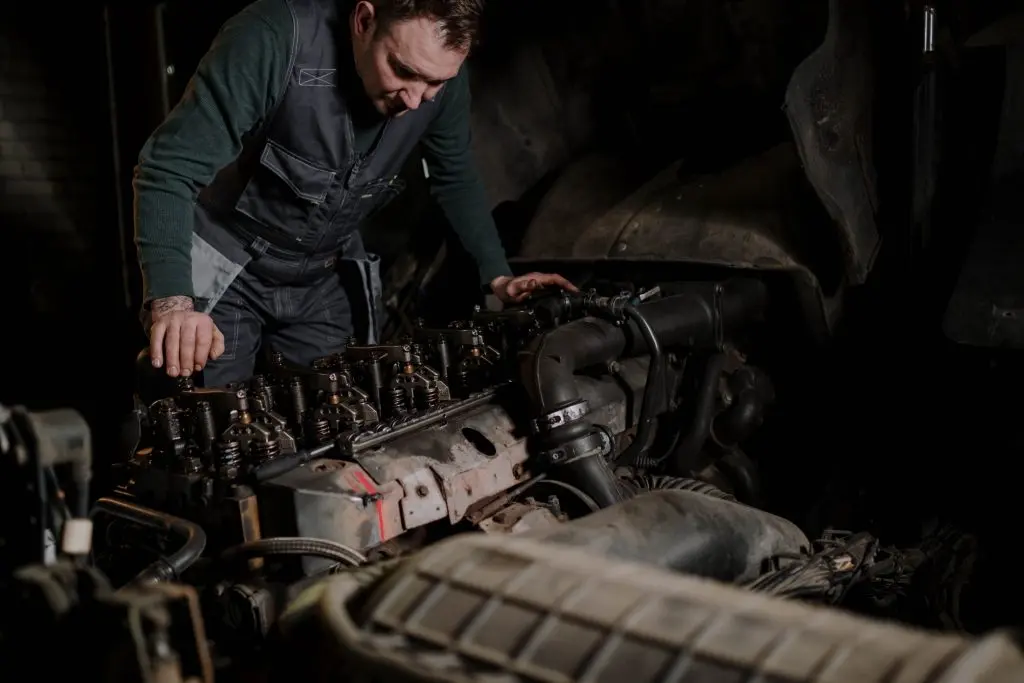
A diesel engine is known for being loud, but a sharp knocking sound when the engine is cold is not something you should ignore.
Many drivers notice this noise right after a cold start, especially in the morning, and find that it fades as the engine warms up. In many cases, the root cause comes down to fuel quality, fuel delivery, or injection timing.
Understanding why this happens can help you protect your engine, avoid expensive repairs, and restore smooth operation.
What Cold Diesel Knocking Sounds Like
Cold diesel knocking is usually described as a metallic tapping, clatter, or sharp knocking noise. It often sounds louder than normal diesel combustion noise and may come from the top or front of the engine. The key sign is that the noise is most noticeable when the engine is cold and reduces after a few minutes of driving.
This behavior points strongly toward issues with how fuel is injected and burned during cold conditions.
Why Cold Engines Are More Sensitive
When a diesel engine is cold, several things work against smooth combustion:
- Metal parts are contracted and have tighter clearances
- Diesel fuel is thicker and atomizes less efficiently
- Combustion temperatures are lower
- Ignition delay is longer
Because diesel engines rely on heat and compression, any small problem in fuel delivery or timing becomes much more noticeable during cold starts.
Fuel-Related Causes of Cold Knocking
Poor Fuel Quality
Low-quality or contaminated diesel fuel burns unevenly. In cold conditions, poor fuel can ignite late or all at once, creating a loud knocking sound. Water contamination is especially harmful because it disrupts combustion and increases ignition delay.
Cold weather also thickens diesel fuel, making poor-quality fuel even harder to atomize properly.
Incorrect Fuel Cetane Rating
Cetane rating measures how easily diesel fuel ignites. Fuel with a low cetane number ignites more slowly, causing delayed combustion. When ignition finally occurs, it happens abruptly, producing a sharp knock.
Cold engines are far more sensitive to low cetane fuel, which is why knocking may only appear during cold starts.
Air in the Fuel System
Air pockets in fuel lines can cause uneven fuel delivery. This leads to inconsistent combustion timing between cylinders, resulting in knocking or clattering noises. Air leaks are more noticeable when the fuel system is cold and seals are stiff.
Injection Timing Problems That Cause Knocking
Injection Timing Too Advanced
If fuel is injected too early, combustion starts before the piston reaches the correct position. This causes extreme pressure spikes and creates a hard knocking sound.
Cold engines exaggerate this issue because combustion timing is already unstable due to low temperatures.
Worn or Sticking Injectors
Injectors that are worn, dirty, or sticking may spray fuel unevenly or drip instead of misting. Poor spray patterns cause fuel to pool inside the cylinder, leading to delayed ignition followed by sudden combustion.
This sudden burn is one of the most common causes of cold diesel knocking.
Incorrect ECU Injection Mapping
Modern diesel engines rely on electronic control units to adjust injection timing based on temperature. If software values are incorrect or sensors are failing, the engine may receive improper timing during cold starts.
As the engine warms up and enters normal operating parameters, the noise often disappears.
How Injection Timing Affects Combustion Noise
Diesel engines are designed so fuel injection happens at a precise moment. When timing is off, combustion pressure rises too fast or too late. This pressure hits the piston like a hammer instead of pushing it smoothly, which is what creates the knocking sound.
Cold engines increase ignition delay, making even small timing errors far more noticeable.
Warning Signs That Timing or Fuel Is the Problem
Cold knocking related to fuel or timing is often paired with other symptoms:
- Rough idle when cold
- White or gray smoke on startup
- Slower throttle response
- Reduced fuel economy
- Hard starting in cold weather
These signs help separate fuel and timing issues from mechanical problems like worn bearings or piston damage.
Can You Keep Driving With Cold Diesel Knock?
Short-term driving may not cause immediate failure, but repeated cold knocking is harmful. The sharp pressure spikes stress pistons, connecting rods, injectors, and bearings. Over time, this can lead to injector failure, cracked pistons, or increased engine wear.
Ignoring the noise only allows the problem to worsen.
How to Diagnose Fuel and Timing Issues
A proper diagnosis usually includes:
- Checking fuel quality and contamination
- Inspecting injectors for wear or leakage
- Verifying injection timing using scan tools
- Testing fuel pressure and rail stability
- Checking temperature and timing-related sensors
Many modern diesel engines require electronic diagnostics to confirm timing-related faults.
How to Fix Diesel Knocking When Cold
Depending on the cause, solutions may include:
- Switching to high-quality diesel fuel with proper cetane rating
- Adding fuel system cleaner designed for diesel engines
- Bleeding air from the fuel system
- Cleaning or replacing fuel injectors
- Updating or recalibrating ECU software
- Correcting injection timing mechanically or electronically
Early correction often restores quiet cold starts and prevents long-term damage.
Preventing Cold Diesel Knocking in the Future
You can reduce the risk of cold knocking by:
- Using quality fuel from reliable sources
- Keeping injectors clean with regular maintenance
- Replacing fuel filters on schedule
- Allowing the engine a brief warm-up in cold weather
- Addressing warning signs early
Good fuel and proper injection timing are the foundation of smooth diesel operation.
Final Thoughts
Diesel engine knocking when cold is often a fuel or injection timing issue, not just normal engine noise.
Cold temperatures magnify problems with ignition delay, fuel quality, and injector performance. While the sound may fade as the engine warms up, the damage can quietly continue.
Understanding the role of fuel and timing allows you to fix the issue early, protect your engine, and enjoy reliable cold starts without harsh knocking sounds.